

Purchase Our Products


Addireen has brought a new manufacturing facility into operation in Zhanggong District, Ganzhou. With production capacity of up to 50 metal additive manufacturing systems per month, the site supports a wider rollout of green laser AM equipment for pure copper, copper alloys and thermal management components.
The expansion reflects a practical change in focus: moving from individual system delivery toward more repeatable equipment production. The facility provides additional capacity for system assembly, optical integration, commissioning and quality verification as customers progress from process trials to production deployment.
Building Capacity for Repeatable System Delivery
Increasing output is only one part of industrializing metal additive manufacturing equipment. Assembly consistency, optical alignment, process control and commissioning standards also need to remain stable as production volumes grow.
The new facility is organized around these requirements. Its production capacity of up to 50 systems per month will support shorter delivery cycles and multi-system deployment for customers introducing green laser metal 3D printing into established manufacturing environments.
The main equipment focus is the XH-M350G-2HR, a dual-green-laser metal AM system developed for pure copper and copper-alloy production.
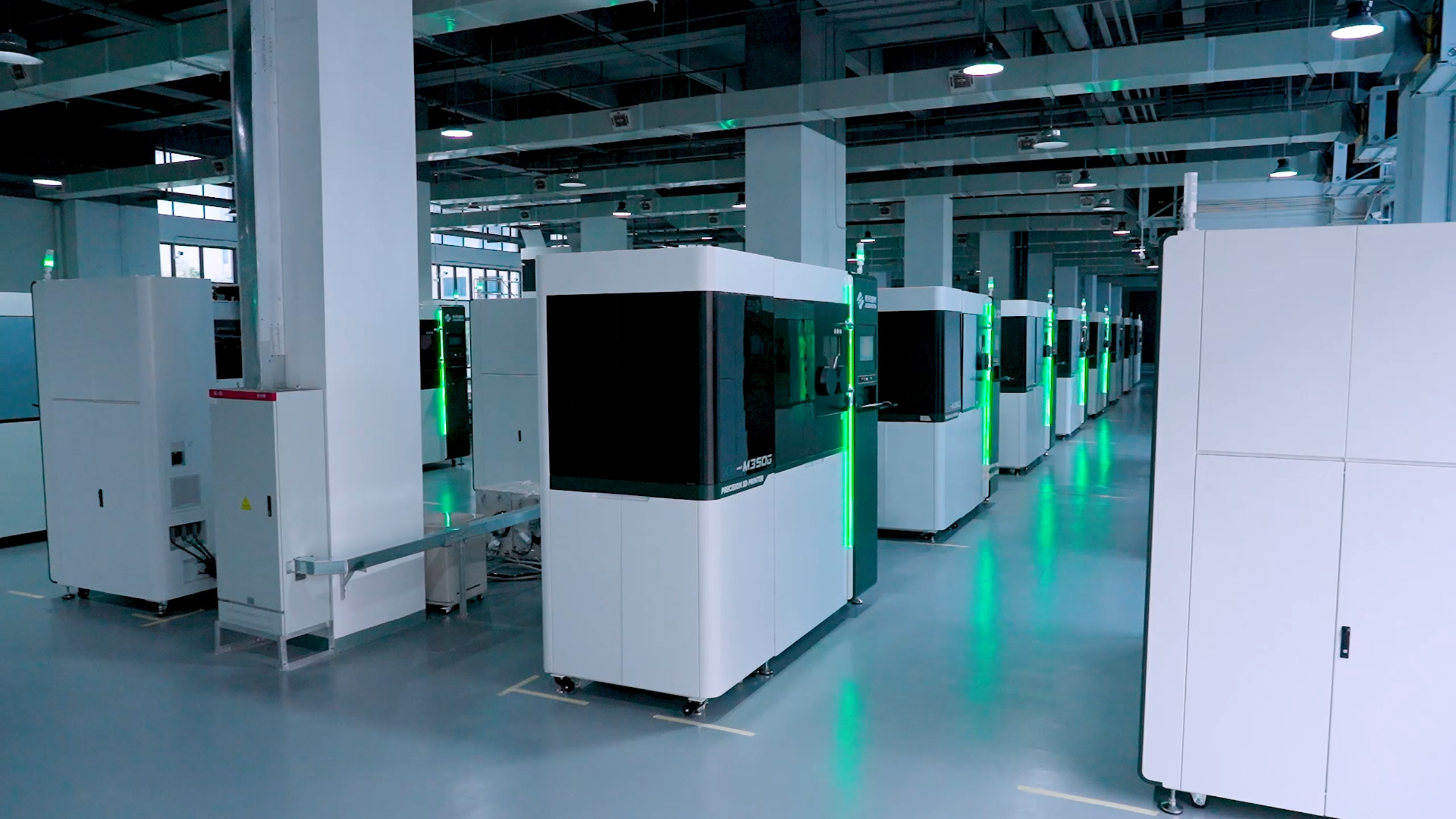
Figure 1. Addireen green laser AM system production facility in Ganzhou
XH-M350G-2HR: Designed Around Copper Production
The XH-M350G-2HR uses dual 532 nm green lasers, with 2 × 500 W/ 1,000 W configurations available. Its 350 × 350 × 550 mm build volume (incl. build plate) supports multi-part layouts and full-build production of thermal and electrical components.
Equipment specifications include:
• Pure copper build rate of up to 24.24 cm³/h at a 40 μm layer thickness
• Relative density of up to 99.9%
• Thermal conductivity of up to 400 W/(m·K)
• Electrical conductivity of up to 101% IACS
• Full-build dimensional consistency at Cpk > 1.33
The system also includes powder-bed monitoring, process data recording, controlled airflow and temperature-managed optics. These features are intended to reduce variation during longer builds and across different areas of the build plate.
The figures above represent reported results under defined process conditions. Actual performance depends on part geometry, powder condition, layer thickness, scan strategy and acceptance requirements.
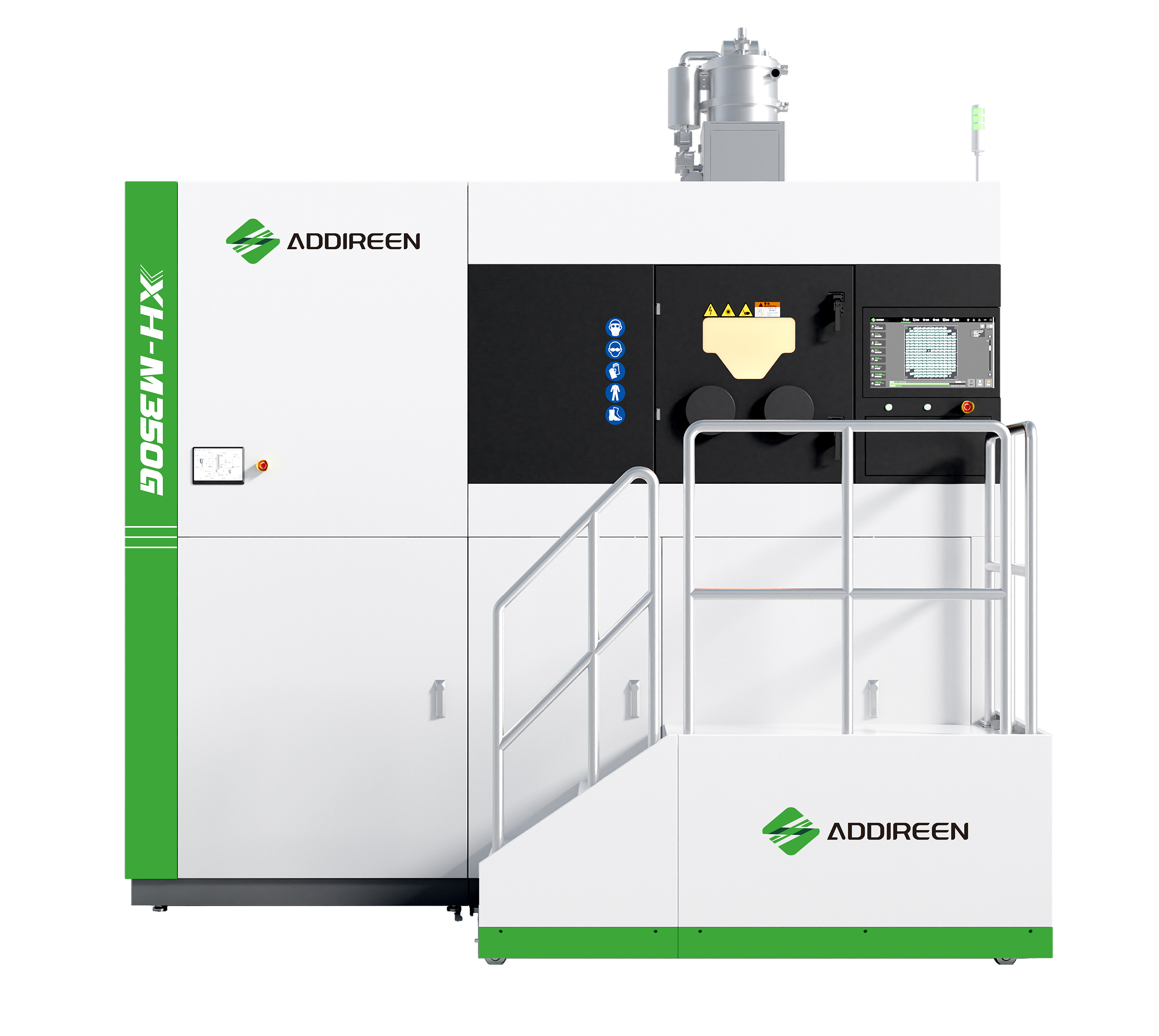
Figure 2. XH-M350G-2HR green laser metal 3D printer for pure copper batch production
Why Green Laser LPBF Is Relevant to Pure Copper
Pure copper is difficult to process with conventional near-infrared LPBF systems. It reflects a large proportion of the incident laser energy while conducting absorbed heat away from the melt zone quickly.
Green wavelengths couple more effectively with copper under comparable conditions. This improves the starting conditions for melt formation and provides a more controllable process window for producing dense copper parts.
Higher absorption does not remove the need for process development. Powder quality, oxygen level, scanning parameters, thermal history and component geometry still influence density, surface condition and dimensional accuracy.
Addireen combines the high-power green fiber laser experience of its parent company, Shenzhen Gongda Laser Co., Ltd., with metal AM system development and material-specific process engineering. This allows the light source, optical path, gas-flow system and processing parameters to be developed as parts of the same production platform.
Pure Copper 3D Printing for Thermal Management
Pure copper is most relevant when a component must move heat quickly from a concentrated source. Typical examples include high-power electronic modules, AI computing hardware and compact optical systems.
Metal additive manufacturing adds another factor: internal geometry. Cooling channels, TPMS structures, manifolds and heat-transfer surfaces can be integrated into a single printed component. This can reduce part count and remove some brazed or welded interfaces.
However, geometric complexity is not automatically beneficial. A workable thermal design must still balance:
• Heat-transfer surface area
• Coolant distribution
• Pressure drop
• Wall thickness
• Powder removal
• Mechanical strength
• Cleaning and inspection requirements
Green laser LPBF is therefore most useful when material conductivity, flow design and manufacturing constraints are considered together.
Current application areas include:
• Pure copper liquid cold plates for AI servers and power electronics
• Heat sinks for high-speed optical transceivers
• Compact heat exchangers with integrated internal channels
• Induction coils with internal cooling passages
• High-heat-flux components for aerospace and industrial equipment
Addireen’s advanced thermal management solutions cover liquid cold plates, heat exchangers, heat sinks and other metal 3D printed cooling components:
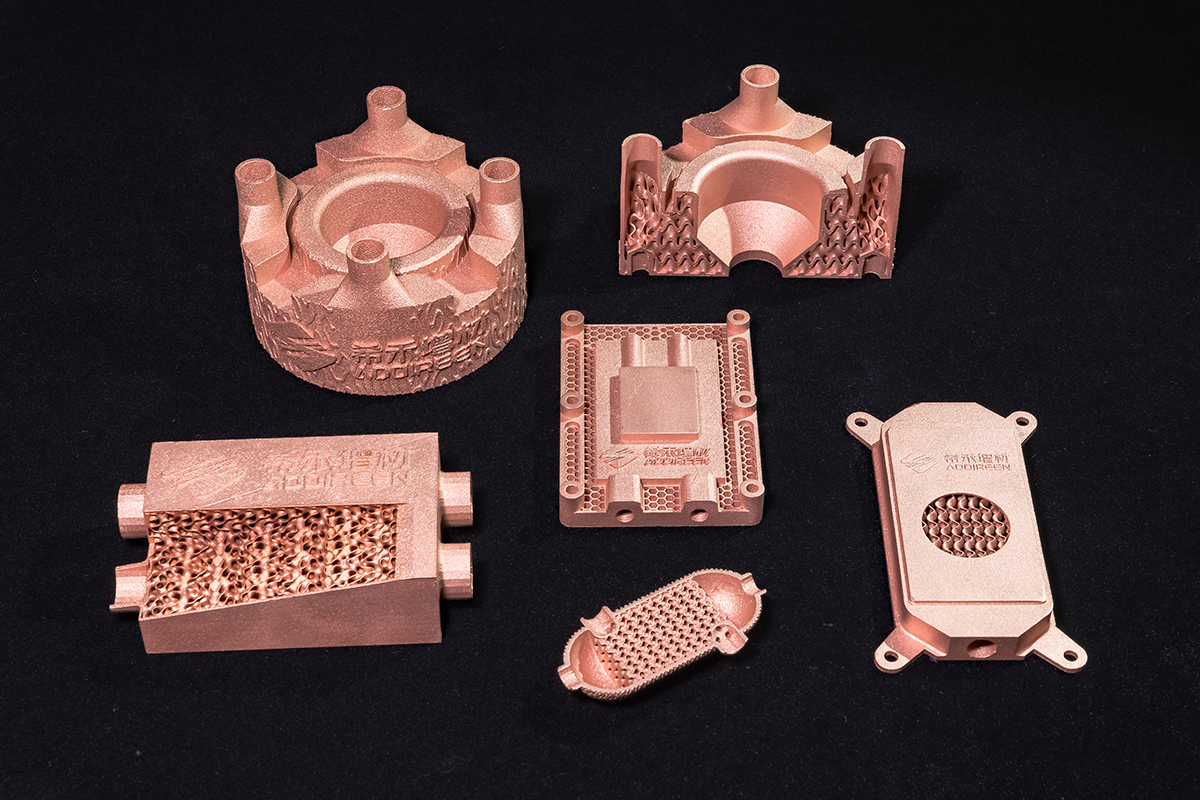
Figure 3. Green laser 3D printed copper cold plates and heat exchangers
Material Options Beyond Pure Copper
Pure copper remains the principal material for applications requiring high thermal or electrical conductivity. Other operating conditions may require a different balance of properties.
• CuCrZr combines useful thermal conductivity with higher mechanical strength. It is commonly considered for structurally loaded thermal components, induction applications and aerospace parts.
• AlSi10Mg offers lower density and is suitable for lightweight cold plates and heat exchangers where mass is an important design constraint.
• 316L stainless steel provides corrosion resistance and mechanical strength for heat exchangers and fluid-handling parts exposed to aggressive media or higher pressures.
Material selection should account for heat flux, mass, mechanical loading, fluid compatibility, corrosion, pressure and post-processing requirements. Thermal conductivity is important, but it is rarely the only selection criterion.
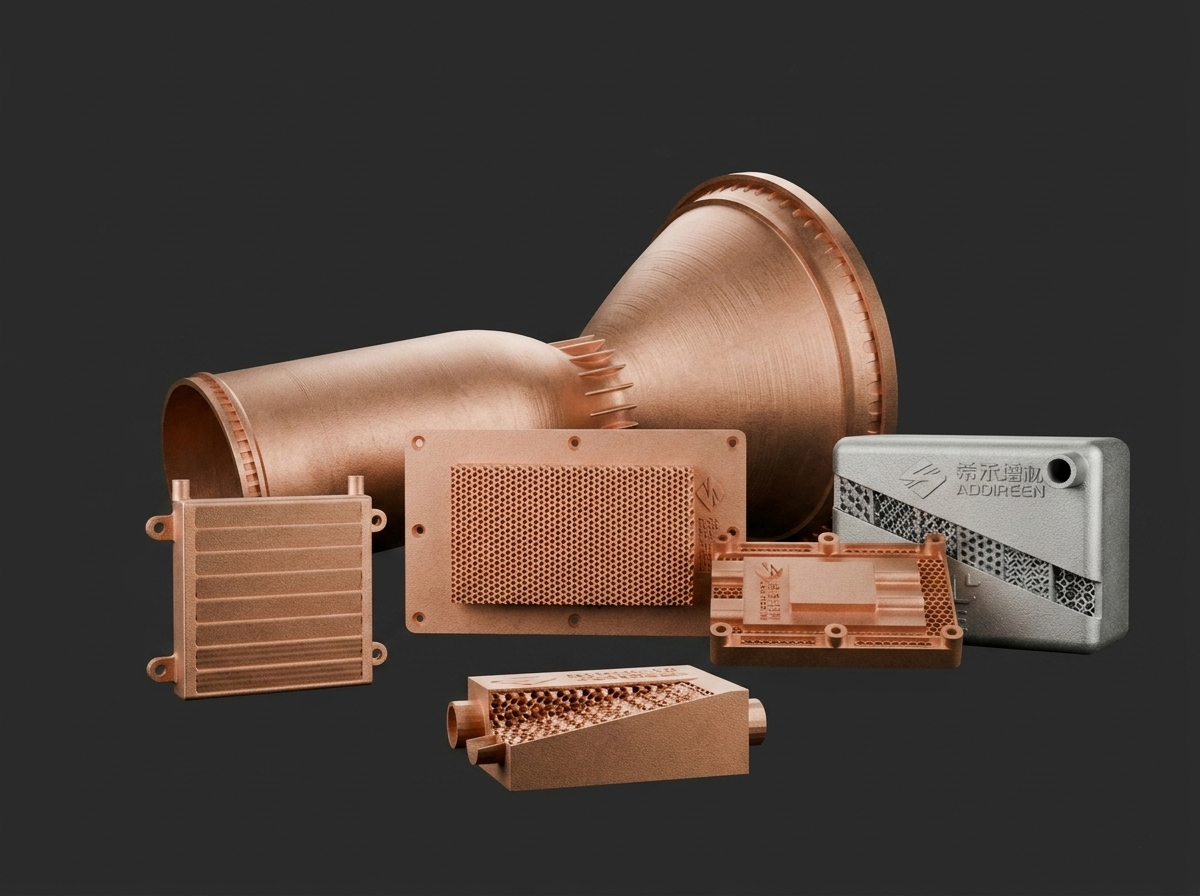
Figure 4. Green laser AM components in pure copper, 316L stainless steel and CuCrZr.
Supporting the Move from Prototype to Production
The Ganzhou facility expands Addireen’s capacity to manufacture and deliver green laser metal AM equipment. It also provides a base for customers planning multi-system installations or moving pure copper additive manufacturing into regular production.
For customers that require finished components rather than equipment, AddireenNow provides printing, post-processing and inspection support. Projects can progress from initial prototypes to batch production according to the required material, geometry and quality plan.
Equipment: Explore the XH-M350G-2HR
Applications: View thermal management solutions
Manufacturing services: Upload a CAD file for review and quotation